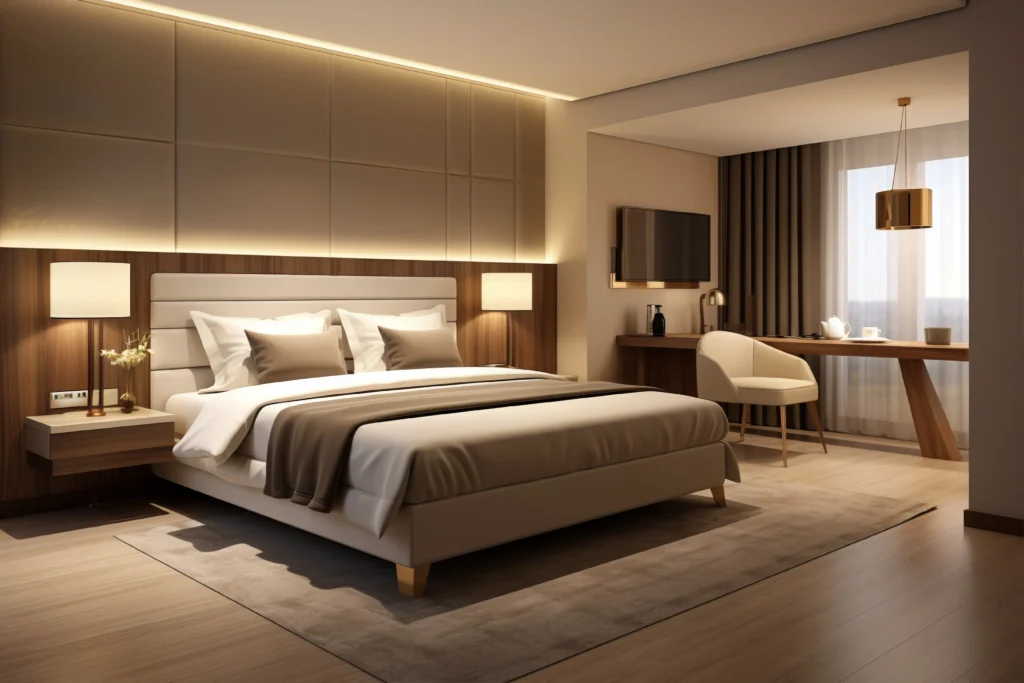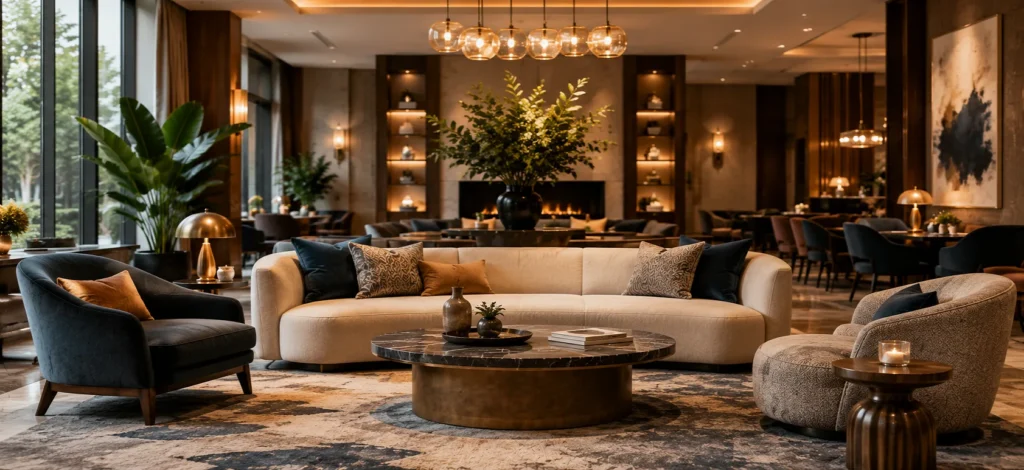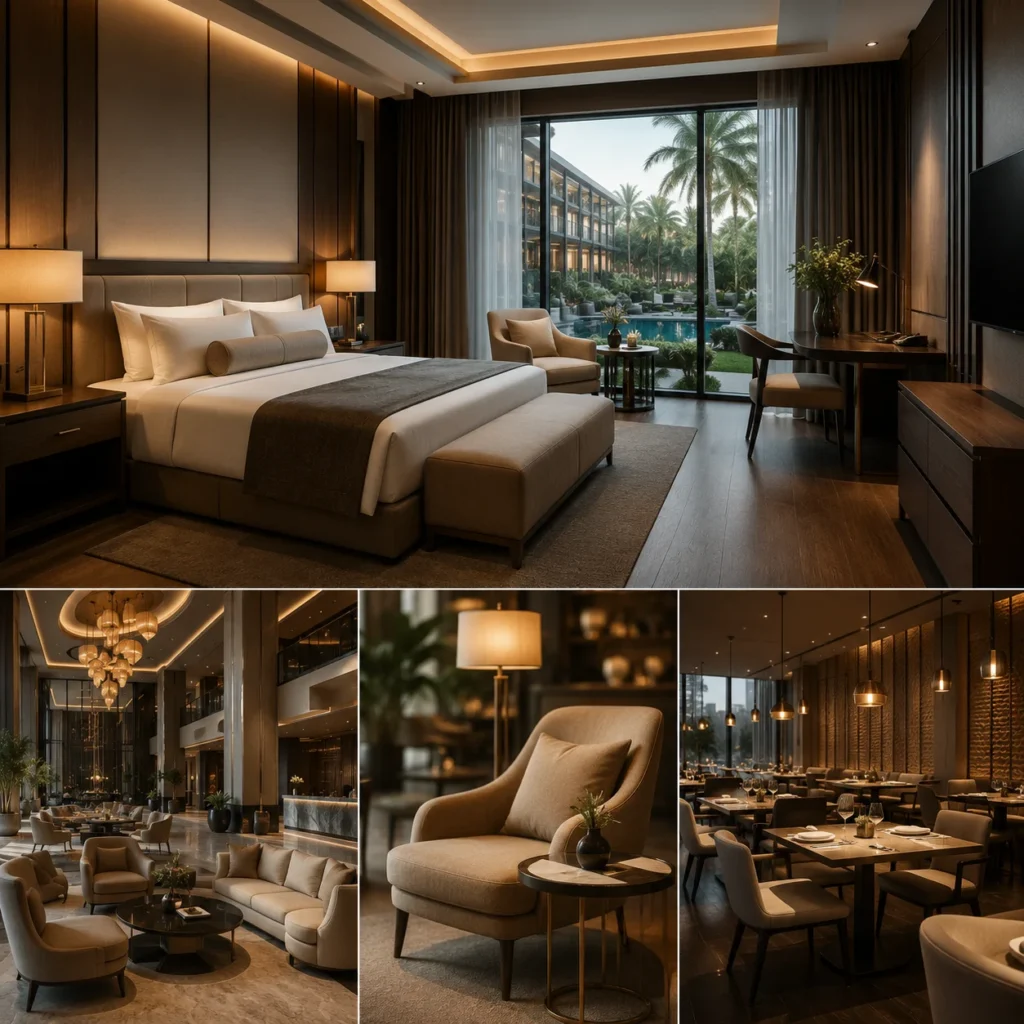
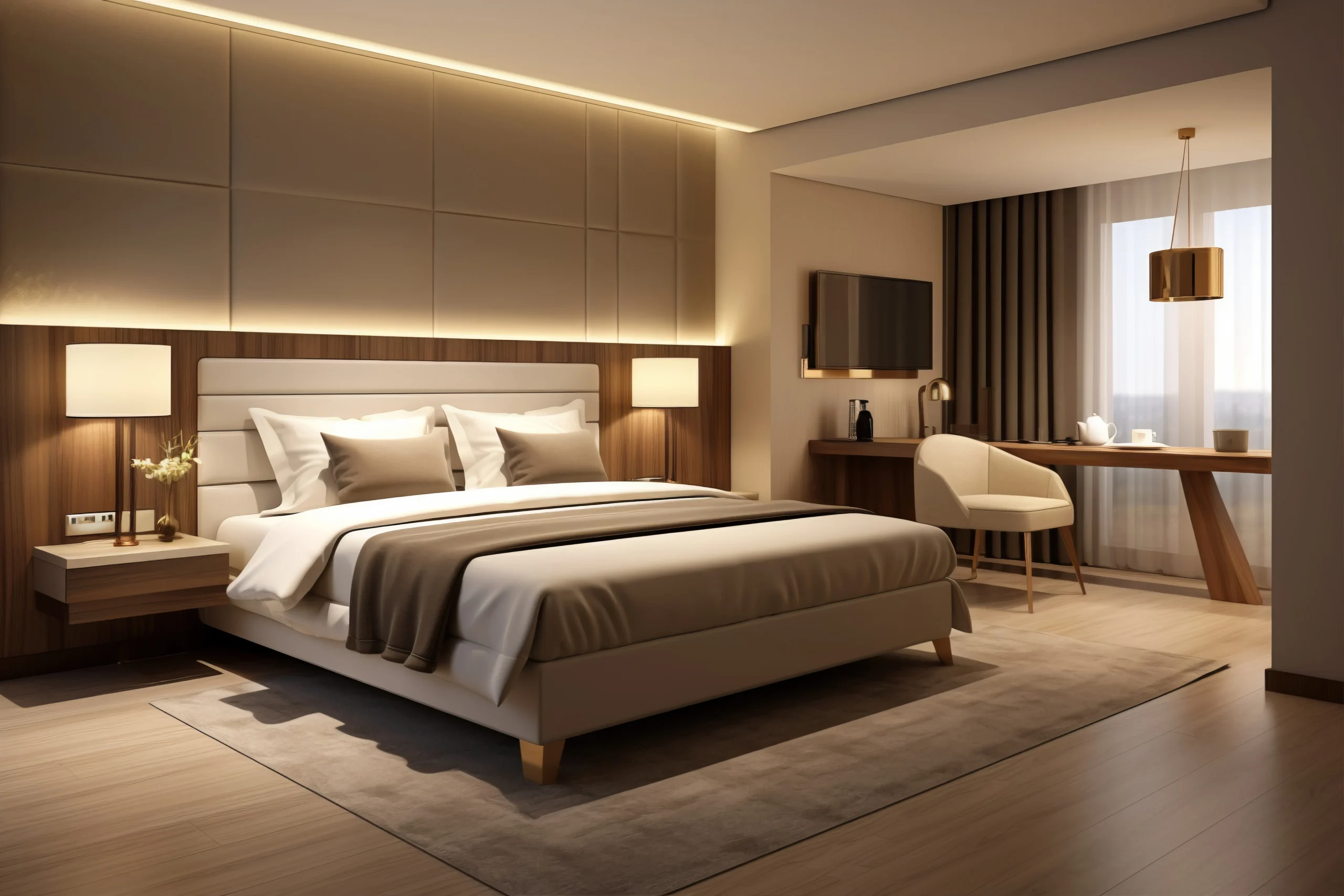
A memorable hotel stay begins long before a guest settles into bed. The first impression of a lobby, the comfort of a lounge chair and the thoughtful details in a guest room all shape how a property feels. Furniture is central to that experience. For hotel owners, resort developers and procurement teams, choosing luxury hotel furniture means balancing visual appeal with daily performance, operational needs and long-term value.
This guide explains how to evaluate furniture for guest rooms, lobbies, restaurants and resort spaces so each piece contributes to a cohesive hospitality environment.
1. Start With the Guest Experience and Your Brand
Before comparing products, define the experience your property promises. A contemporary business hotel may prioritize streamlined desks, ergonomic seating and efficient room layouts. A destination resort may need relaxed lounge furniture, natural textures and flexible indoor-outdoor spaces. A boutique hotel might favor distinctive statement pieces that reinforce its identity.
Create a simple design brief covering guest profile, property positioning, preferred materials, color palette and the feeling each space should evoke. Use this brief to evaluate every furniture choice. Consistency does not mean every room must look identical; it means the pieces should feel like they belong to the same brand.
2. Prioritize Comfort Without Sacrificing Style
Beautiful furniture only works when guests enjoy using it. Assess seat depth, back support, cushion firmness, bed height and the ease of getting in and out of chairs. Consider how guests will use the room: working at a desk, reading in an armchair, relaxing after travel or sharing a meal.
Whenever possible, request samples or mock-ups and test them with people of different heights and mobility needs. For accessible rooms and public areas, confirm applicable accessibility requirements with your design and compliance teams rather than relying on appearance alone.
3. Select Materials Built for Hospitality Use
Hotel furniture faces frequent use, cleaning and movement. Look beyond a showroom finish and ask how each material performs over time. Commercial-grade upholstery, robust frames, quality joinery and finishes suited to the cleaning regimen can help reduce premature wear.
For upholstered pieces, ask suppliers for abrasion, colorfastness, stain-resistance and cleaning information. For tables and casegoods, examine edge protection, surface durability and hardware quality. Coastal resorts should also consider humidity, salt exposure and corrosion resistance; outdoor pieces need materials explicitly suited to the local climate.
Where relevant, confirm fire-performance and other product compliance requirements for the property’s location and intended use. Standards vary by market and application.
4. Plan Furniture Around Each Space
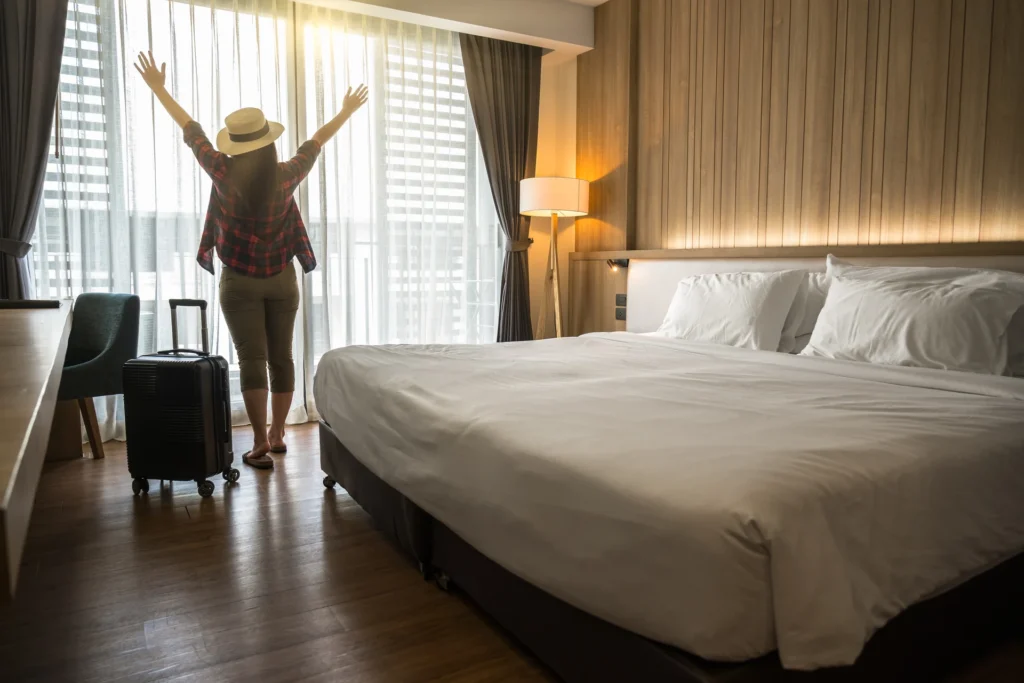
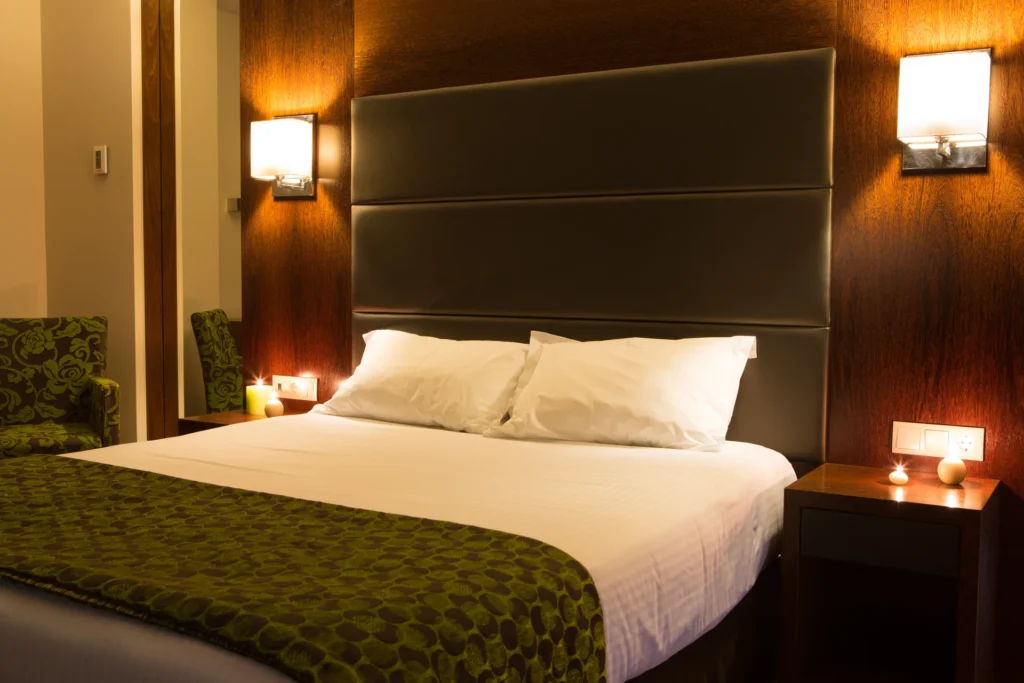
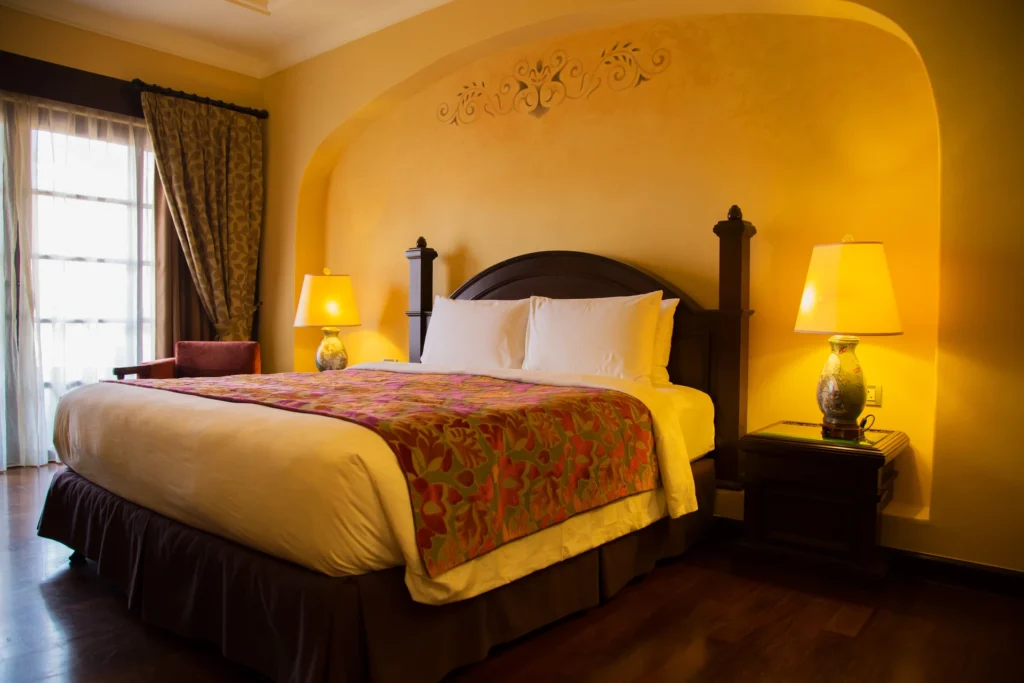
Guest rooms: Prioritize comfortable beds and headboards, useful bedside surfaces, practical luggage storage, seating and lighting-friendly layouts. Avoid oversized pieces that obstruct circulation.
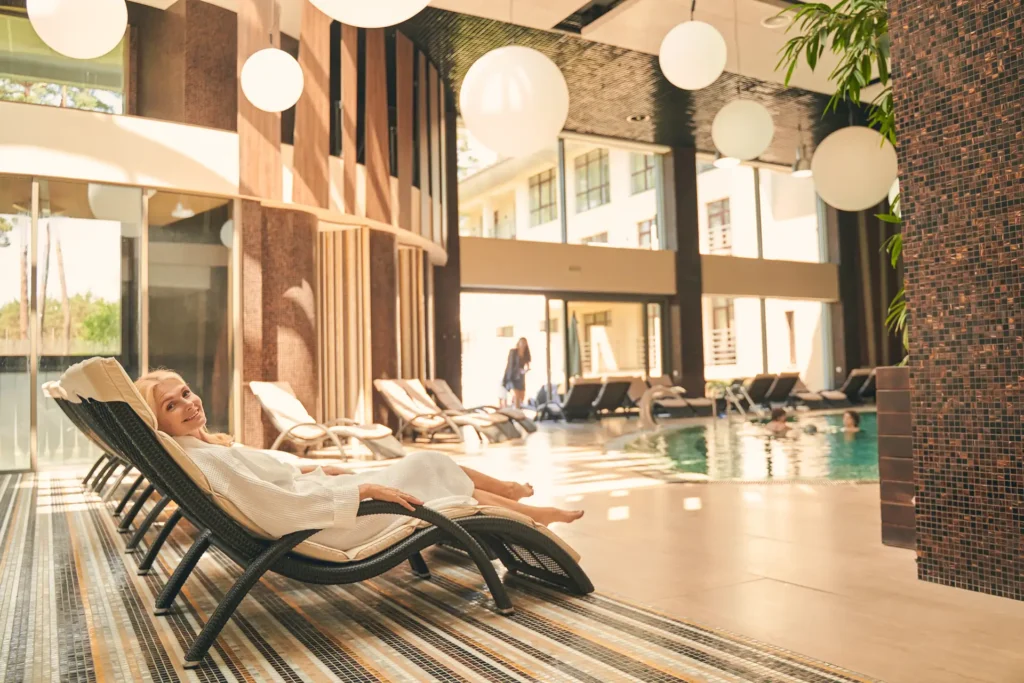
Lobbies and lounges: Combine statement furniture with varied seating types. Allow clear walking routes and create zones for waiting, conversation and short work sessions.
Restaurants and cafés: Choose seating that supports comfortable dining, efficient service and easy cleaning. Check table stability, chair weight and spacing between settings.
Resort and outdoor areas: Consider weather resistance, ease of storage, maintenance and the relationship between furniture and the surrounding landscape.
5. Decide Where Custom Furniture Adds Value
Custom hotel furniture can solve challenges that off-the-shelf pieces cannot. Bespoke dimensions can make better use of unusual floor plans, integrated storage can reduce clutter, and tailored upholstery or finishes can reinforce a property’s visual identity.
Not every item needs to be custom. A practical approach is to customize high-impact or space-sensitive pieces such as headboards, banquettes, reception seating and feature tables while standardizing selected components to simplify purchasing and replacement.
6. Evaluate Total Cost of Ownership
The lowest initial price is not necessarily the most economical choice. A more useful comparison considers purchase cost, installation, expected service life, cleaning, repairs, replacement parts and disruption caused by furniture downtime.
Ask suppliers about warranties, lead times, spare components, care instructions and after-sales support. A durable piece that can be maintained or reupholstered may offer better long-term value than a lower-priced alternative requiring frequent replacement.
7. Review Samples, Specifications and Supplier Capability
Before placing a large order, request material swatches, finish samples and detailed product specifications. For major projects, consider a sample room or mock-up to test proportions, usability, finishes and coordination with lighting and flooring.
Confirm dimensions, materials, tolerances, packaging, delivery responsibilities, installation arrangements and quality-control checkpoints in writing. Ask about production capacity and how changes or defects will be handled. Clear specifications reduce surprises during procurement.
8. Coordinate Procurement With the Project Timeline
Furniture selection should begin early enough to align with interior design, construction and opening schedules. Custom items may require additional time for drawings, approvals, production and shipping.
Build a procurement schedule with milestones for design sign-off, sample approval, order placement, inspections, delivery and installation. Leave room for site access constraints and final snagging. Good coordination helps ensure the finished spaces are ready when guests arrive.
A Practical Hotel Furniture Selection Checklist
- Does the piece support the property’s brand and guest profile?
- Is it comfortable and appropriately sized for the space?
- Are materials, finishes and cleaning methods suitable for commercial use?
- Have relevant safety, accessibility and fire requirements been checked?
- Can the supplier provide samples, specifications and clear lead times?
- Are maintenance, warranty and replacement options understood?
- Does the furniture fit the overall budget and project schedule?
Frequently Asked Questions
What furniture is essential for a luxury hotel guest room?
Most rooms need a quality bed and headboard, bedside tables, practical storage, a comfortable seat and functional work or dressing surfaces. The exact mix depends on room size and guest needs.
Is custom hotel furniture better than ready-made furniture?
Neither is universally better. Custom pieces are useful for distinctive designs and unusual dimensions; ready-made pieces can be efficient for standardized areas. Many projects benefit from a combination.
How can hotels choose furniture that lasts?
Assess frame construction, upholstery performance, finish durability, ease of cleaning and repairability. Review samples and documented specifications, not appearance alone.
What should resorts consider when buying outdoor furniture?
Choose products rated for outdoor use and suited to local sun, rain, humidity and salt exposure. Consider maintenance, storage, cushion care and replacement availability.
How early should furniture procurement begin?
Start during design development so specifications, samples, production and delivery can be coordinated with the project schedule. Timelines vary by customization, order size and supplier.
How does furniture influence guest satisfaction?
Comfortable, practical and visually cohesive furniture helps guests relax, navigate spaces and feel that the property meets its promises. It is one part of the broader guest experience.
Create Hospitality Spaces Worth Remembering With Furnivaa
Choosing furniture for a luxury hotel or resort is about more than filling rooms. It is an opportunity to express your brand, support guest comfort and invest in spaces designed for everyday hospitality use.
Planning a hotel, resort or hospitality furniture project? Explore Furnivaa’s premium furniture and bespoke solutions at www.furnivaa.com
Furnivaa – Luxury You Desire. Comfort You Deserve.