A hotel lobby is more than a place to check in. It is the first physical expression of a property’s promise: the atmosphere guests encounter, the comfort they experience while waiting, and the setting they remember long after departure. From a boutique retreat to a large urban hotel, thoughtfully selected luxury hotel lobby furniture can turn a transitional space into a distinctive destination.
The strongest lobby designs do not rely on expensive finishes alone. They balance beauty with practical performance, clear circulation, accessible seating and a cohesive story. Here is how furniture choices can make that transformation possible and what hospitality teams should consider before investing.
1. First Impressions Begin Before Check-In
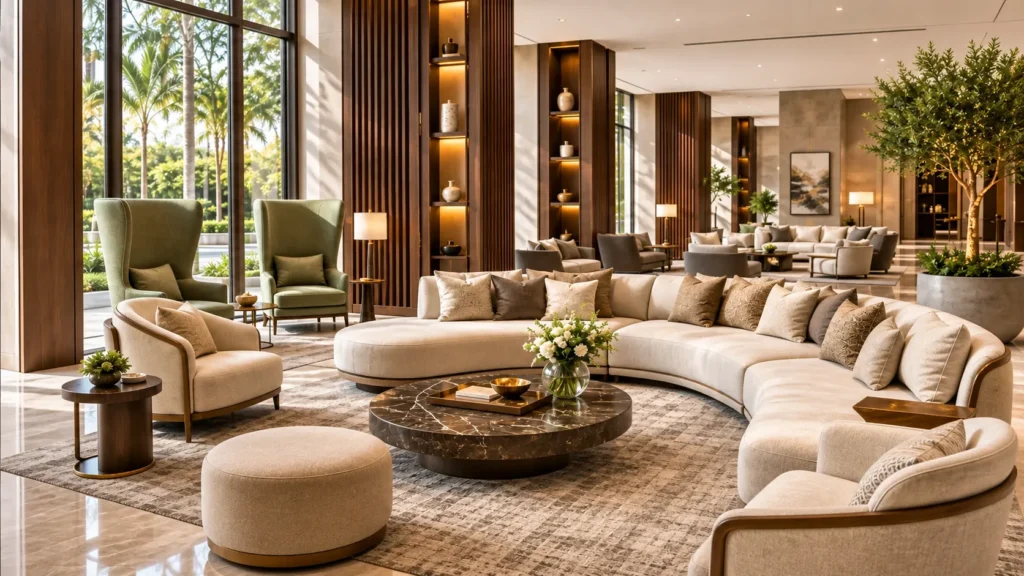
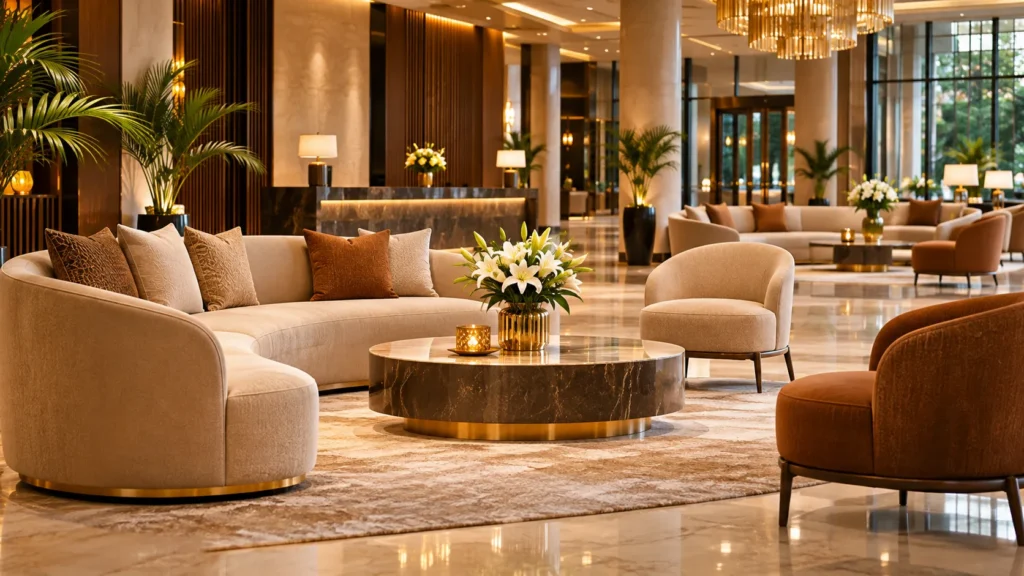
Guests begin evaluating a hotel as soon as they enter. A welcoming seating arrangement, an elegant console or a beautifully proportioned lounge chair communicates care before a receptionist says hello. Furniture shapes the emotional tone of the arrival experience: soft curves suggest ease, tailored upholstery conveys refinement, and natural wood can introduce warmth.
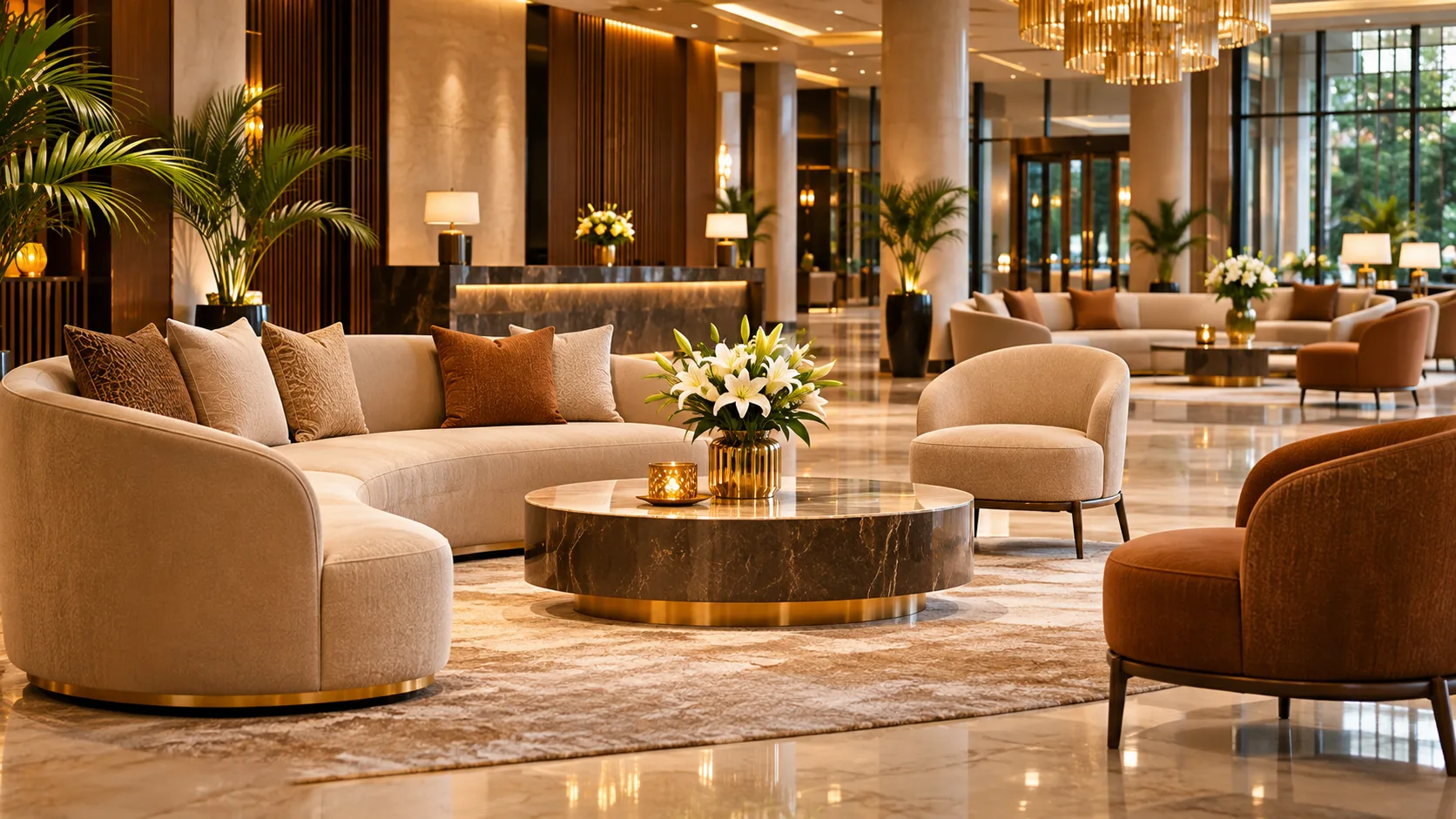
For example, an upscale city hotel might pair sculptural cream sofas with bronze-accented tables and focused lighting. A coastal resort could instead use airy woven textures, light timber and generous seating groups. Both approaches can feel luxurious because the furnishings reflect the property’s location and personality rather than copying a generic trend.
2. Turn Waiting Time Into a Comfortable Experience
Hotel lobbies accommodate early arrivals, delayed transfers, informal meetings and guests waiting for companions. Beautiful furniture that is uncomfortable or poorly arranged quickly loses its appeal. Supportive cushions, sensible seat heights and adequate table surfaces help people feel cared for during these ordinary moments.
Create Seating for Different Guest Needs
A successful lobby often includes several seating types: sofas for families, individual lounge chairs for solo travelers, small conversation clusters for colleagues and accessible seating options with appropriate support. Consider nearby charging access and tables large enough for a drink or laptop, without encouraging clutter in walkways.
Practical example: a business hotel can create a quiet corner with two upholstered armchairs and a compact table, while reserving a larger sofa grouping for families. Guests gain choice, and the lobby feels purposeful rather than overcrowded.
3. Use Furniture to Express Your Hotel Brand
A hotel’s furniture should feel like an extension of its brand identity. A heritage property may favor classic silhouettes and rich timber. A contemporary luxury hotel might use restrained forms, textured upholstery and subtle metal detailing. Consistency matters: when the lobby, guest rooms and public spaces share a recognizable design language, the entire property feels more considered.
Custom hotel furniture can be particularly useful when standard pieces do not fit an architectural feature or brand concept. A curved sofa can echo a sweeping staircase; a bespoke bench can frame a panoramic window; a signature reception-side seating arrangement can become a memorable visual element.
4. Design a Lobby That Flows Naturally
Even the most striking furniture will underperform if it blocks the path to reception, elevators or exits. Before selecting pieces, map the major guest journeys, including luggage movement, wheelchair access, staff service routes and peak check-in queues. Furniture should define zones without creating barriers.
Balance Statement Pieces With Breathing Room
A large central sofa can anchor a spacious lobby, but it may overwhelm a compact boutique entrance. In smaller spaces, slimmer chairs, nesting tables and thoughtfully placed benches often create more flexibility. Keep sightlines open to reception and key wayfinding signs so first-time visitors can orient themselves quickly.
Practical example: a resort with a wide entrance might arrange lounge groups around a central feature table, while maintaining unobstructed routes to the front desk and concierge. The result is inviting, organized and easier to navigate.
5. Choose Materials That Look Beautiful and Work Hard
Hospitality furniture faces frequent use, rolling luggage, food and beverage spills and continuous cleaning. Material selection therefore deserves the same attention as appearance. Upholstery should be evaluated for commercial suitability, cleanability and wear performance. Frames, joinery and finishes should withstand the intended level of traffic.
Consider stain-resistant performance fabrics where appropriate, durable solid or engineered wood constructions, and table surfaces that tolerate regular maintenance. Metal accents can add elegance, but their finishes should be specified for practical upkeep. Request material samples and care guidance before committing to a large order.
For properties prioritizing long-term value, repairable or replaceable components can make a meaningful difference. A timeless, well-constructed chair that can be reupholstered may serve a property better than a visually trendy piece with limited serviceability.
6. Create Distinct Zones Without Losing Cohesion
Modern lobbies increasingly support multiple activities: arrivals, casual work, socializing, refreshments and short meetings. Furniture can establish these zones through changes in layout, scale and texture rather than relying on partitions. Rugs, coordinated tables and varied seating heights can subtly indicate where each activity belongs.
A lobby café may benefit from upright chairs and smaller tables, while a relaxed lounge calls for deeper seating and softer materials. Keep the overall palette connected so guests experience one cohesive interior. In a brown, cream and gold scheme, for instance, walnut-toned wood and warm upholstery can unite several different seating formats.
7. Make Every Detail Feel Intentional
Luxury is often experienced through small details: a table at the right height, a chair that is easy to rise from, a fabric that feels inviting, or a sofa positioned to enjoy natural light. Layered lighting, artwork and greenery enhance the furniture, but they should not compete with it.
Pay attention to proportions. Oversized furniture can make a lobby feel cramped, while undersized pieces may appear disconnected in a high-ceilinged space. Test furniture footprints on the floor plan and, when possible, review physical samples for comfort and finish quality. A balanced composition usually feels more premium than one crowded with decorative statements.
8. Think Beyond the Purchase Price
The lowest initial quote is not always the best hospitality investment. Evaluate furniture through a longer-term lens that includes expected lifespan, maintenance, replacement needs, lead times and compatibility with future renovations. A cohesive specification also helps teams avoid costly mismatches between individual pieces.
Before purchasing, ask suppliers about dimensions, material options, production schedules, warranties and installation requirements. For a multi-property operator, standardized core designs with selected custom finishes may help preserve brand consistency while allowing local character.
A Practical Hotel Lobby Furniture Checklist
- Define the arrival experience and brand story before selecting pieces.
- Map circulation, luggage routes, accessibility needs and check-in queues.
- Plan seating for solo travelers, families and business guests.
- Check upholstery durability, cleanability and maintenance requirements.
- Review scale, sightlines, lighting and furniture spacing on the floor plan.
- Request samples, specifications and realistic delivery timelines.
- Assess long-term value, not only the initial furniture cost.
Frequently Asked Questions
What furniture is essential in a luxury hotel lobby?
Most lobbies benefit from a considered mix of sofas, lounge chairs, occasional tables, reception-adjacent seating and functional accent pieces. The exact selection depends on guest profiles, available space and the services offered.
How can hotel lobby furniture improve the guest experience?
Comfortable, intuitive seating helps guests relax, wait, meet and navigate the space with ease. Furniture also communicates the hotel’s style and attention to detail, strengthening the overall arrival experience.
Is custom hotel furniture better than ready-made furniture?
Neither option is automatically better. Custom pieces can solve unusual spatial needs and reinforce a unique design identity, while ready-made options may simplify sourcing and timelines. Many successful projects combine both.
Which materials work best for high-traffic hotel lobbies?
Look for commercially appropriate upholstery, durable frames and finishes that suit the property’s cleaning practices. Final choices should reflect traffic levels, maintenance capacity and the desired aesthetic.
How often should hotel lobby furniture be replaced?
There is no universal replacement schedule. Inspect pieces regularly for structural stability, upholstery wear, comfort and appearance. Quality construction, proactive maintenance and refurbishment can extend useful service life.
How do I make a small hotel lobby feel luxurious?
Choose fewer, well-proportioned pieces; maintain open circulation; use a cohesive material palette; and prioritize comfortable seating. Thoughtful lighting and one memorable focal element often have more impact than adding extra furniture.
Bring Your Lobby Vision to Life With Furnivaa
The right hotel lobby furniture does more than fill a floor plan it helps create a welcoming first impression, supports daily operations and gives guests a reason to remember the space. Whether you are furnishing a new hotel or refreshing an established property, the best results come from balancing design character, comfort and durability.
Explore Furnivaa’s hospitality furniture approach and discover how considered furnishings can elevate your next hotel or resort project. Connect with Furnivaa and start the conversation.